
Volume 21 | March 2026

Patient-Forward Approaches for Tardive Dyskinesia: From Differential Diagnosis to Appropriate Treatment

Treatment
Understanding AUSTEDO XR®: A Once-Daily Treatment Option for Adult Patients With Tardive Dyskinesia
Understanding AUSTEDO XR<sup>®</sup>: A Once-Daily Treatment Option for Adult Patients With Tardive Dyskinesia

Tardive dyskinesia (TD) and drug-induced parkinsonism (DIP) are movement disorders resulting from exposure to dopamine receptor blocking agents, such as antipsychotic medications. However, each disorder has distinct underlying pathophysiology and specific clinical presentation and requires different treatment approaches.1,2 While anticholinergic medications can be used to treat the symptoms of DIP, they are not effective in treating TD and may even worsen hyperkinetic symptoms.1 Vesicular monoamine transporter 2 (VMAT2) inhibitors, such as AUSTEDO XR, are the only US Food and Drug Administration (FDA)-approved treatment for adult patients with TD.3

This article reviews key efficacy and safety data from the pivotal clinical trials of AUSTEDO and dives into the range of available dosing options, including recommendations for specific populations and patients taking concomitant medications. Also included are data from real-world surveys of patient-reported experiences on AUSTEDO XR.

Understanding the Mechanism of Action of AUSTEDO XR

The precise mechanism by which deutetrabenazine exerts its activity is unknown but is believed to be related to its effect as a reversible depletor of monoamines, including dopamine, from nerve terminals (Video).4

Video. Mechanism of Action of AUSTEDO XR
Findings From Pivotal Clinical Trials for AUSTEDO: ARM-TD, AIM-TD, and RIM-TD

The efficacy and safety of AUSTEDO in the treatment of TD was evaluated in 2 pivotal clinical trials, ARM-TD (Aim to Reduce Movements in Tardive Dyskinesia) and AIM-TD (Addressing Involuntary Movements in Tardive Dyskinesia)5,6:

  • ARM-TD – Flexible-dose study (N=113): 12-week, randomized, double-blind, placebo-controlled phase 2/3 trial in which doses were titrated to an individualized dose that reduced abnormal movements and was tolerated. After screening, patients were randomized 1:1 to receive AUSTEDO twice daily (BID) or placebo6
  • AIM-TD – Fixed-dose study (N=222): 12-week, randomized, double-blind, placebo-controlled phase 3 trial in which patients were randomized to receive placebo or AUSTEDO (12 mg, 24 mg, or 36 mg)4,5

The primary efficacy endpoint in both trials was the change in Abnormal Involuntary Movement Scale (AIMS) total score from baseline to Week 12.4-7

AUSTEDO was not studied in patients currently taking or who had recently (within 30 days) received anticholinergic medications. However, patients with prior anticholinergic use were not excluded from the study.7 Excluding patients currently taking anticholinergics aligns with TD treatment guidelines and warnings in the label of benztropine, a common anticholinergic, which states that it does not alleviate TD symptoms and may aggravate them.3,8

In these placebo-controlled trials, patients who received AUSTEDO demonstrated a rapid response as early as Week 2 and achieved a significant and meaningful reduction in TD severity at Week 12.4,6,7

  • In ARM-TD, patients receiving AUSTEDO had an AIMS score reduction of 3.0 points from baseline to Week 12, compared with 1.6 points in the placebo group (treatment effect of -1.4 points, P=0.019) (Figure 1, left graph).6,7 At Week 12, 94% of patients were taking a dose of ≥30 mg/day, and the average daily dose was ~38 mg6,7
  • In AIM-TD, AUSTEDO led to an AIMS total score reduction of 3.3 points from baseline in the 36 mg/day arm compared with a reduction of 1.4 points with placebo at Week 12 (treatment effect of -1.9 points, P=0.001)4,5

Patients on a stable dose of an antipsychotic maintained that medication while on AUSTEDO.5,6

A rapid response as early as Week 2 and movement improvement at Week 12 were observed in patients who received AUSTEDO.

RIM-TD (Reducing Involuntary Movements in Participants With TD), a single-arm, open-label extension (OLE), long-term maintenance study, was designed to evaluate long-term treatment with AUSTEDO for up to 3 years.9 Following completion of ARM-TD or AIM-TD, patients were eligible to enter the RIM-TD study.9 Among the patients evaluated, 337 patients were in treatment at baseline and 160 patients remained on treatment through the end of Week 145.9 The mean overall compliance rate, assessed by pill counts, was nearly 90% at 3 years.7

Increased improvement in AIMS total score was observed over 3 years in the longest TD clinical trial to date (OLE), with 71% of patients at Week 145 seeing improvement relative to Week 15 (Figure 1, right graph). At Week 145, 87% of patients were taking a dose of ≥30 mg/day and the average daily dose was ~39 mg.7,9
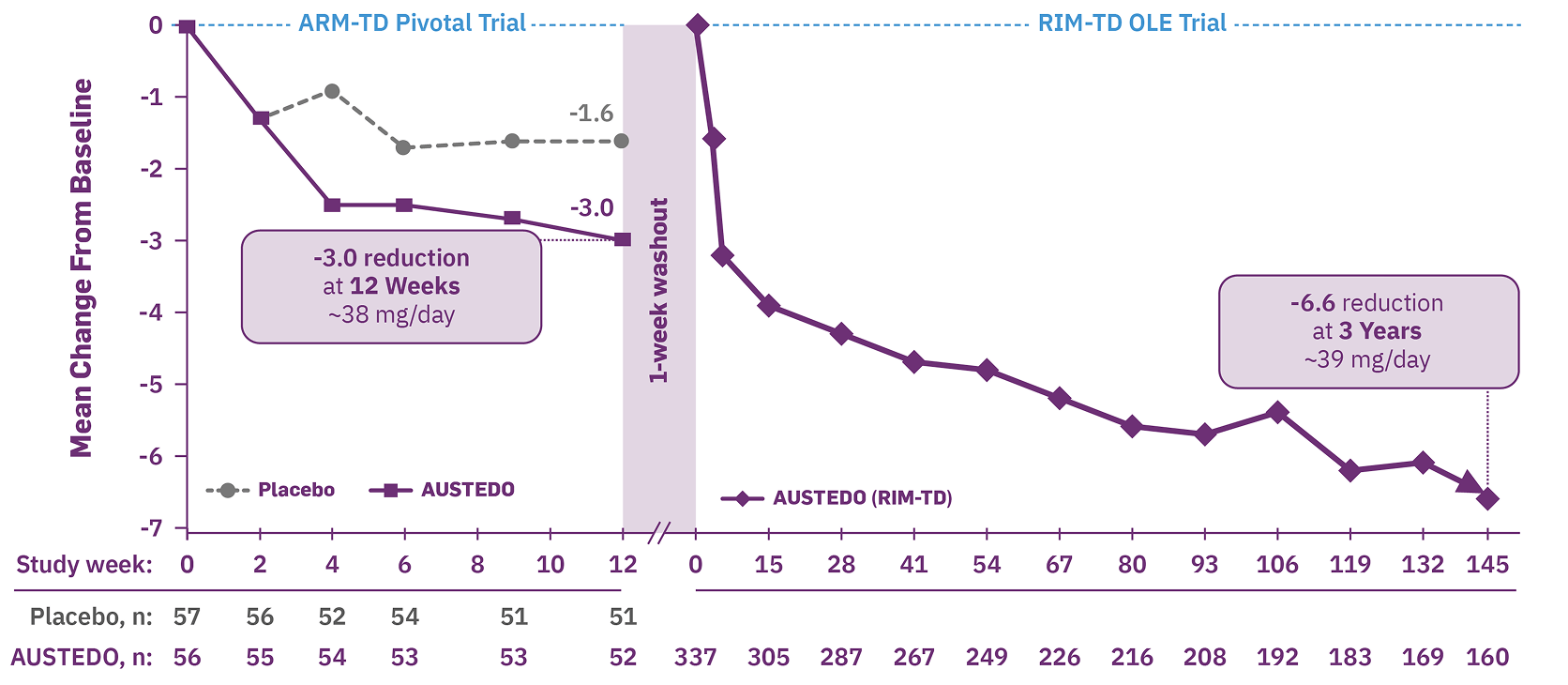
Figure 1. AIMS Score Reduction in Pivotal and OLE Studies4,6,7,9
Figure 1
Patients in the ARM-TD and RIM-TD studies received the AUSTEDO BID formulation.
Baseline AIMS score: ARM-TD (placebo: 9.6 [SD, 3.8]; AUSTEDO: 9.6 [SD, 4.1]) and RIM-TD (AUSTEDO: 10.7 [SD, 4.7]).
ARM-TD, Aim to Reduce Movements in Tardive Dyskinesia; OLE, open-label extension; RIM-TD, Reducing Involuntary Movements in Participants With TD.

AUSTEDO is the only VMAT2 inhibitor demonstrating 3-year results in patients at increased risk of TD, including in (Figure 2)10-12

  • Patients ≥65 years
  • Postmenopausal women
  • Patients with mood disorders and schizophrenia
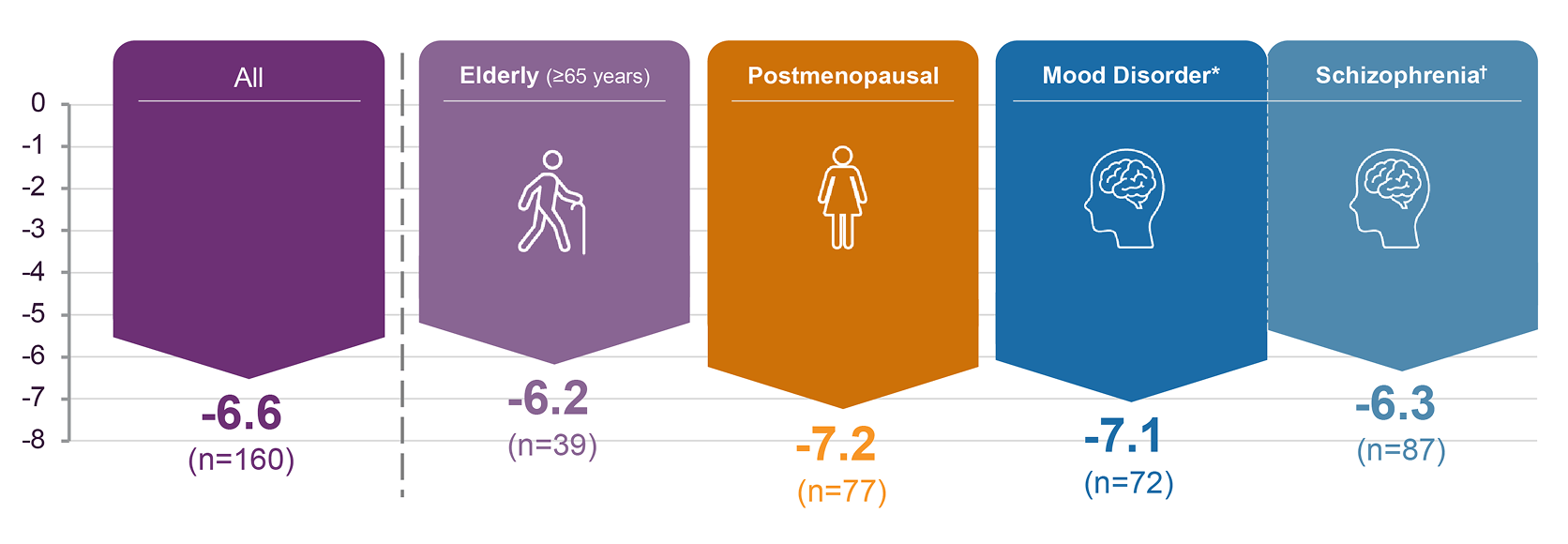
Figure 2. Mean Change From Baseline in AIMS Total Score at Week 1459-12
Figure 2

Patients in the ARM-TD and RIM-TD studies received the AUSTEDO BID formulation.

*Includes patients with bipolar disorder and depression.

Includes schizophrenia or schizoaffective disorder.

AIMS, Abnormal Involuntary Movements Scale.

Increased improvement in AIMS total score was observed over 3 years, even in patients at increased risk for TD, in the longest TD clinical trial to date (OLE).
Demonstrated Safety and Tolerability Profile in Pivotal and 3-Year Studies: Studied Across a Diverse Population

The most common adverse reactions reported across both placebo-controlled studies in patients with TD treated with AUSTEDO (>3% and greater than placebo) were nasopharyngitis and insomnia.4 Adverse reactions occurring in patients treated with AUSTEDO (12-48 mg/day) (≥2%) are summarized in Figure 3.
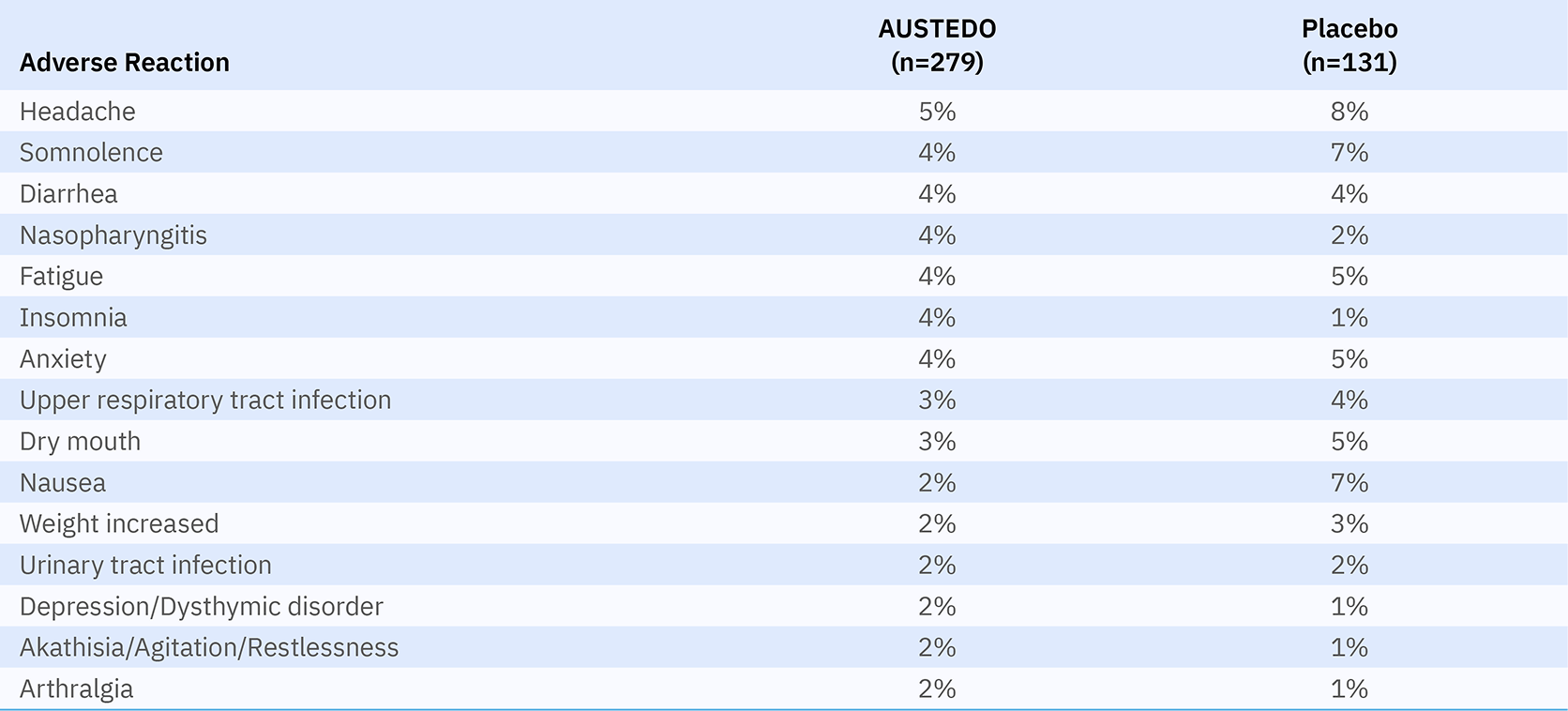
Figure 3. Placebo-Controlled TD Studies: Adverse Reactions Reported in ≥2% of Patients With TD Treated With AUSTEDO4,7
Figure 3

Discontinuation due to adverse events (AEs) occurred in 4% of patients taking AUSTEDO compared with 3% of patients treated with placebo.5 Four percent of patients required dose reduction of AUSTEDO due to AEs compared with 2% of patients taking placebo.4 Once patients were titrated to their maintenance dose, several AEs were no longer reported, including dry mouth and nausea in AIM-TD and somnolence and dry mouth in ARM-TD.7

No new safety signals were identified in RIM-TD, and AEs were comparable with those in the 12-week clinical trials.9

It is important to highlight that the safety and tolerability of AUSTEDO was consistent in older and younger patients, in postmenopausal women, and in patients with underlying psychotic or mood disorders.10-12

Adverse reactions with AUSTEDO XR are expected to be similar to AUSTEDO BID.4

The safety and tolerability profile of AUSTEDO in the OLE study was comparable to the ARM-TD and AIM-TD studies.
Dosing Options for AUSTEDO XR: A One Pill, Once-Daily Approved Treatment for Adult Patients With TD

AUSTEDO XR is available in 12 mg, 18 mg, 24 mg, 30 mg, 36 mg, 42 mg, and 48 mg extended-release tablets, providing dosing flexibility for effective and tolerable symptom control.4 The recommended starting dose of AUSTEDO XR for patients with TD is 12 mg/day, which may be increased at weekly intervals by 6 mg/day.4 The average daily dose in clinical trials was >36 mg/day, and 52% of patients were taking 36 mg/day, 42 mg/day, or 48 mg/day at Week 145 in the long-term study.5,9 Additionally, in pharmacokinetic studies, increased plasma levels of AUSTEDO correlated with higher potential for treatment success, but not AEs.13,14

AUSTEDO XR should be swallowed whole. Tablets should not be chewed, crushed, or broken. AUSTEDO XR may be taken with or without food (Figure 4).4 If a patient misses a dose for less than 1 week, they can restart at the same dose of AUSTEDO XR or AUSTEDO.4
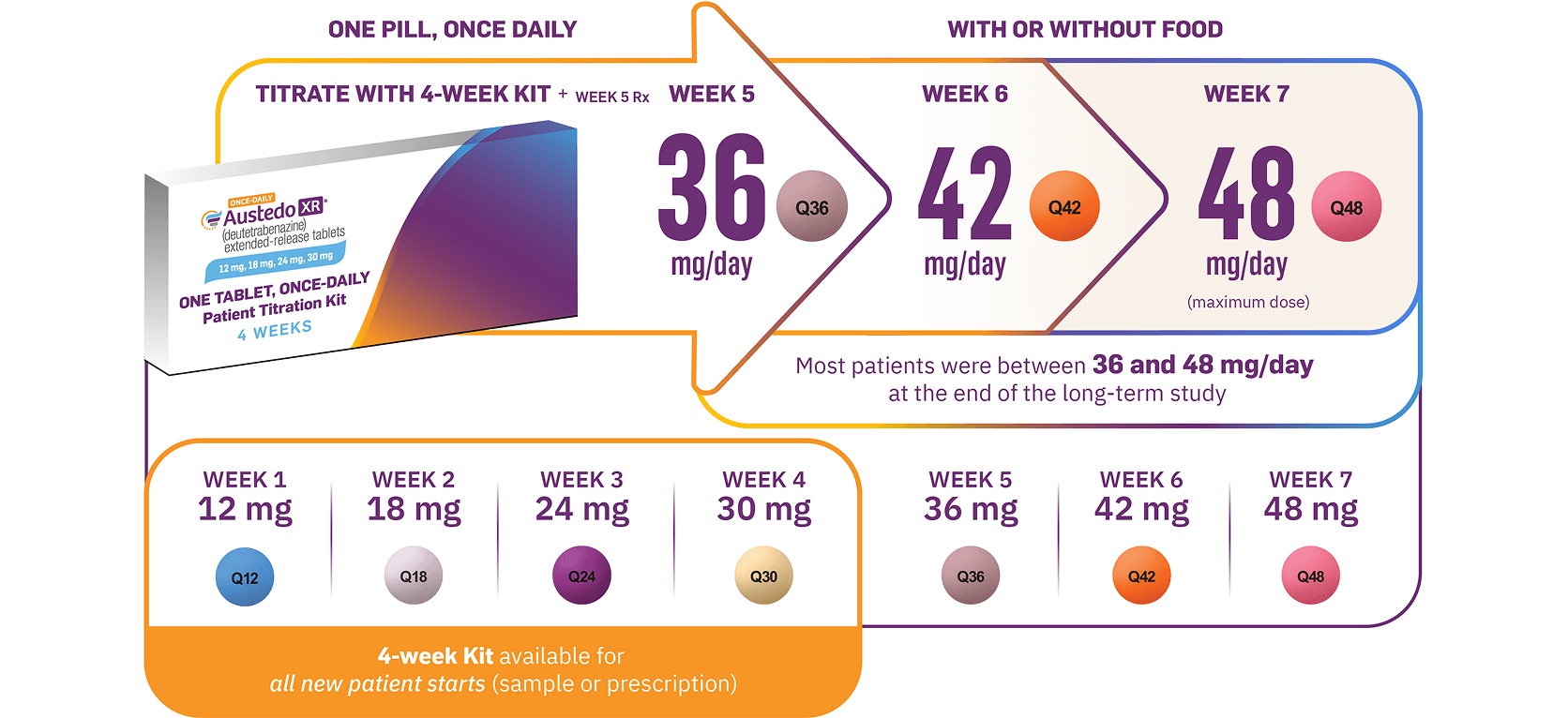
Figure 4. AUSTEDO XR Dosing Options Allow to Titrate Weekly Until Effective and Tolerable Symptom Control Is Reached4
Figure 4

Image shown is not the actual 4-week Titration Kit. Tablets not shown to actual size.

With 7 different dosing options, AUSTEDO XR provides patients with the flexibility to reach effective symptom control while maintaining tolerability.
Dosage Recommendations and Metabolic Considerations for VMAT2 Inhibitors

Patients with TD often take medications for both nonpsychiatric comorbidities and mental health stabilization. Therefore, it is critical for clinicians to be aware of these regimens and consider metabolic pathways to reduce the risk of drug-drug interactions (DDIs) when choosing a VMAT2 inhibitor for TD. AUSTEDO XR is primarily metabolized by CYP2D6, with minor contributions from CYP3A4/5 and other enzymes to form several minor metabolites.4 The metabolic profile of AUSTEDO XR allows for few restrictions related to DDIs.4 In patients taking concomitant strong CYP2D6 inhibitors or who are poor CYP2D6 metabolizers, there are 5 available dosing options with a maximum dosage of 36 mg/day.4 Only AUSTEDO XR allows for the ability to increase once-daily dose in patients taking strong CYP inhibitors and inducers.4,15

Moreover, no dose adjustments to P-glycoprotein (P-gp) substrates (eg, calcium channel blockers, statins, antimicrobials, and digoxin) are required when taking AUSTEDO XR (Figure 5).4,16 It is important to highlight that there are no specified restrictions on the use of AUSTEDO XR in patients taking concomitant anticholinergic medications.4
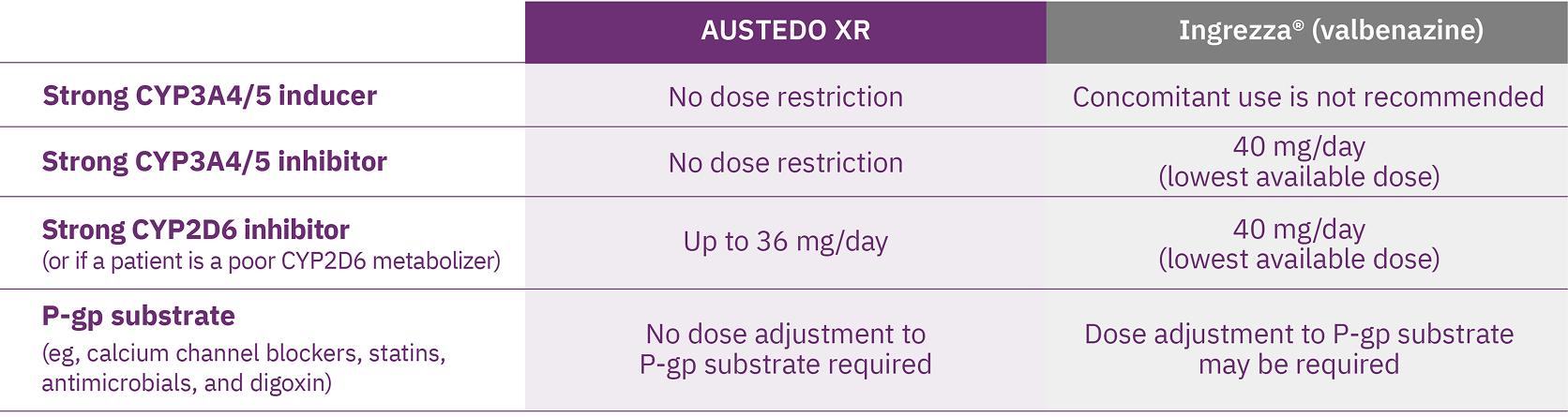
Figure 5. Consider Metabolic Pathways When Choosing a VMAT2 Inhibitor for TD4,15,16
Figure 5

These differences should not be construed to imply differences in safety, efficacy, or clinical outcome.

ONLY AUSTEDO XR allows for the ability to increase once-daily dose in patients taking strong CYP inhibitors and inducers.
Patient-Reported Experiences With AUSTEDO XR: Insights From Real-World Surveys

Alongside clinical data, real-world evidence derived from patients' self-reported experiences can provide valuable insights to support discussions about treatment options with patients. A prospective, cross-sectional survey involving 209 patients with TD, which assessed patients' experiences, found that more than 90% of patients reported movement reduction with AUSTEDO XR, resulting in improvements in daily living.17 Patients also noted improved emotional, social, and physical well-being (Figure 6).17

Figure 6. As a Result of Movement Reduction With AUSTEDO XR, Patients Reported Improvements in Well-Being and Daily Living Activities17
Figure 6

97% of patients planned to continue taking AUSTEDO XR. In addition, 60% reported taking it in the morning, and 42% reported usually taking it without food.17

As a result of movement reduction with AUSTEDO XR, >90% of patients reported improvement in well-being and daily living activities.
Summary
  • TD and DIP have distinct underlying pathophysiology and specific clinical presentation that require different treatment approaches1,2
  • AUSTEDO XR is a VMAT2 inhibitor approved in the US for the treatment of adults with TD4
  • Established efficacy and safety profile with AUSTEDO
  • In placebo-controlled clinical trials, patients who received AUSTEDO BID demonstrated a rapid response as early as Week 2 and achieved a significant and meaningful reduction in TD severity at Week 124-6
  • AUSTEDO demonstrated a significant improvement in AIMS reduction with a proven safety and tolerability profile across a diverse population over 3 years9-12
  • Adverse reactions with AUSTEDO XR are expected to be similar to AUSTEDO4
  • The flexible, once-daily AUSTEDO XR options enable patients to titrate as needed to achieve effective dosing and tolerable symptom control4
  • Only AUSTEDO XR allows for the ability to increase once-daily dose in patients taking strong CYP inhibitors and inducers4,15
  • Results from real-world surveys of patients with TD found improvements in daily living across several areas of their lives as a result of movement reduction with AUSTEDO XR17
References

1. Ward KM, Citrome L. Antipsychotic-related movement disorders: drug-induced parkinsonism vs. tardive dyskinesia—key differences in pathophysiology and clinical management. Neurol Ther. 2018;7(2):233-248. 2. Hauser RA, Meyer JM, Factor SA, et al. Differentiating tardive dyskinesia: a video-based review of antipsychotic-induced movement disorders in clinical practice. CNS Spectr. 2022;27(2):208-217. 3. American Psychiatric Association. The American Psychiatric Association Practice Guideline for the Treatment of Patients With Schizophrenia. 3rd ed. Washington, DC: American Psychiatric Association; 2021. Accessed November 4, 2025. https://psychiatryonline.org/doi/pdf/10.1176/appi.books.9780890424841 4. AUSTEDO XR® (deutetrabenazine) extended-release tablets/AUSTEDO® current Prescribing Information. Parsippany, NJ: Teva Neuroscience, Inc. 5. Anderson KE, Stamler D, Davis MD, et al. Deutetrabenazine for treatment of involuntary movements in patients with tardive dyskinesia (AIM-TD): a double-blind, randomised, placebo-controlled, phase 3 trial. Lancet Psychiatry. 2017;4(8):595-604. 6. Fernandez HH, Factor SA, Hauser RA, et al. Randomized controlled trial of deutetrabenazine for tardive dyskinesia: the ARM-TD study. Neurology. 2017;88(21):2003-2010. 7. Data on file. Teva Neuroscience, Inc. Parsippany, NJ. 8. Benztropine mesylate tablet. Prescribing Information. Warren, NJ: Cipla USA, Inc. 9. Hauser RA, Barkay H, Fernandez HH, et al. Long-term deutetrabenazine treatment for tardive dyskinesia is associated with sustained benefits and safety: a 3-year, open-label extension study. Front Neurol. 2022;13:773999. 10. Nasrallah H, Chen M, Barkay H, Gordon MF, Finkbeiner S. Long-term efficacy and safety of deutetrabenazine in postmenopausal women with tardive dyskinesia. Presented at: 35th Annual Psych Congress 2022; September 17-20, 2022; New Orleans, LA. 11. Sajatovic M, Gandhi P, Konings M, Barash S, Finkbeiner S. Long-term safety and efficacy of deutetrabenazine in patients aged ≥65 years with tardive dyskinesia. Presented at: American Association for Geriatric Psychiatry; March 14-17, 2025; Phoenix, AZ. 12. Hauser RA, Barkay H, Fernandez HH, et al. Deutetrabenazine provides long-term benefit for tardive dyskinesia regardless of underlying condition and dopamine receptor antagonist use: a post hoc analysis of the 3-year, open-label extension study. J Clin Psychopharmacol. 2024;44(4):386-396. 13. Levi M, Schneider F, Gosselin NH, et al. Population pharmacokinetic and exposure safety analyses of deutetrabenazine in patients with moderate to severe tardive dyskinesia. Presented at: American Conference on Pharmacometrics; October 20-23, 2019; Orlando, FL. 14. Singh R, Sunzel EM, Dongwoo K, et al. Assessment of the deutetrabenazine exposure-response relationships for patients with moderate-to-severe tardive dyskinesia. Presented at: Psych Congress; September 17-20, 2022; New Orleans, LA. 15. Ingrezza® (valbenazine) capsules. Prescribing Information. San Diego, CA: Neurocrine Biosciences, Inc. 16. DrugBank Online. P-glycoprotein substrates. Accessed November 4, 2025. https://go.drugbank.com/categories/DBCAT002668 17. Jain R, Konings M, Thompson S, et al. Real-world evidence of patient experience with once-daily deutetrabenazine extended-release tablets for the treatment of tardive dyskinesia in the United States. Presented at: Annual Psych Congress Elevate; May 28-31, 2025; Las Vegas, NV.


Prev ARTICLE
Neurobiology Sidebar
Considerations Regarding the Mechanism of Action of Vesicular Monoamine Transporter 2 Inhibitors and Anticholinergics in Tardive Dyskinesia and Drug-Induced Parkinsonism
Next ARTICLE
Expert Commentary
Expert Commentary With Henry Nasrallah, MD, and Daniel Dees, MD
Scroll Top
IMPORTANT SAFETY INFORMATION
Depression and Suicidality in Patients with Huntington's Disease: AUSTEDO XR® and AUSTEDO® can increase the risk of depression and suicidal thoughts and behavior (suicidality) in patients with Huntington's disease. Balance the risks of depression and suicidality with the clinical need for treatment of chorea. Closely monitor patients for the emergence or worsening of depression, suicidality, or unusual changes in behavior. Inform patients, their caregivers, and families of the risk of
IMPORTANT SAFETY INFORMATION
Depression and Suicidality in Patients with Huntington's Disease: AUSTEDO XR® and AUSTEDO® can increase the risk of depression
INDICATIONS AND USAGE

AUSTEDO XR® (deutetrabenazine) extended-release tablets and AUSTEDO® (deutetrabenazine) tablets are indicated in adults for the treatment of chorea associated with Huntington's disease and for the treatment of tardive dyskinesia.

IMPORTANT SAFETY INFORMATION
Depression and Suicidality in Patients with Huntington's Disease: AUSTEDO XR® and AUSTEDO® can increase the risk of depression and suicidal thoughts and behavior (suicidality) in patients with Huntington's disease. Balance the risks of depression and suicidality with the clinical need for treatment of chorea. Closely monitor patients for the emergence or worsening of depression, suicidality, or unusual changes in behavior. Inform patients, their caregivers, and families of the risk of depression and suicidality and instruct them to report behaviors of concern promptly to the treating physician. Exercise caution when treating patients with a history of depression or prior suicide attempts or ideation. AUSTEDO XR and AUSTEDO are contraindicated in patients who are suicidal, and in patients with untreated or inadequately treated depression.
Contraindications: AUSTEDO XR and AUSTEDO are contraindicated in patients with Huntington's disease who are suicidal, or have untreated or inadequately treated depression. AUSTEDO XR and AUSTEDO are also contraindicated in: patients with hepatic impairment; patients taking reserpine or within 20 days of discontinuing reserpine; patients taking monoamine oxidase inhibitors (MAOIs), or within 14 days of discontinuing MAOI therapy; and patients taking tetrabenazine or valbenazine.
Clinical Worsening and Adverse Events in Patients with Huntington's Disease: AUSTEDO XR and AUSTEDO may cause a worsening in mood, cognition, rigidity, and functional capacity. Prescribers should periodically re-evaluate the need for AUSTEDO XR or AUSTEDO in their patients by assessing the effect on chorea and possible adverse effects.
QTc Prolongation: AUSTEDO XR and AUSTEDO may prolong the QT interval, but the degree of QT prolongation is not clinically significant when AUSTEDO XR or AUSTEDO is administered within the recommended dosage range. AUSTEDO XR and AUSTEDO should be avoided in patients with congenital long QT syndrome and in patients with a history of cardiac arrhythmias.
Neuroleptic Malignant Syndrome (NMS), a potentially fatal symptom complex reported in association with drugs that reduce dopaminergic transmission, has been observed in patients receiving tetrabenazine. The risk may be increased by concomitant use of dopamine antagonists or antipsychotics. The management of NMS should include immediate discontinuation of AUSTEDO XR and AUSTEDO; intensive symptomatic treatment and medical monitoring; and treatment of any concomitant serious medical problems.
Akathisia, Agitation, and Restlessness: AUSTEDO XR and AUSTEDO may increase the risk of akathisia, agitation, and restlessness. The risk of akathisia may be increased by concomitant use of dopamine antagonists or antipsychotics. If a patient develops akathisia, the AUSTEDO XR or AUSTEDO dose should be reduced; some patients may require discontinuation of therapy.
Parkinsonism: AUSTEDO XR and AUSTEDO may cause parkinsonism in patients with Huntington's disease or tardive dyskinesia. Parkinsonism has also been observed with other VMAT2 inhibitors. The risk of parkinsonism may be increased by concomitant use of dopamine antagonists or antipsychotics. If a patient develops parkinsonism, the AUSTEDO XR or AUSTEDO dose should be reduced; some patients may require discontinuation of therapy.
Sedation and Somnolence: Sedation is a common dose-limiting adverse reaction of AUSTEDO XR and AUSTEDO. Patients should not perform activities requiring mental alertness, such as operating a motor vehicle or hazardous machinery, until they are on a maintenance dose of AUSTEDO XR or AUSTEDO and know how the drug affects them. Concomitant use of alcohol or other sedating drugs may have additive effects and worsen sedation and somnolence.
Hyperprolactinemia: Tetrabenazine elevates serum prolactin concentrations in humans. If there is a clinical suspicion of symptomatic hyperprolactinemia, appropriate laboratory testing should be done and consideration should be given to discontinuation of AUSTEDO XR and AUSTEDO.
Binding to Melanin-Containing Tissues: Deutetrabenazine or its metabolites bind to melanin-containing tissues and could accumulate in these tissues over time. Prescribers should be aware of the possibility of long-term ophthalmologic effects.
Common Adverse Reactions: The most common adverse reactions for AUSTEDO (>8% and greater than placebo) in a controlled clinical study in patients with Huntington's disease were somnolence, diarrhea, dry mouth, and fatigue. The most common adverse reactions for AUSTEDO (4% and greater than placebo) in controlled clinical studies in patients with tardive dyskinesia were nasopharyngitis and insomnia. Adverse reactions with AUSTEDO XR extended-release tablets are expected to be similar to AUSTEDO tablets.
Please see accompanying full Prescribing Information, including Boxed Warning.
INDICATIONS AND USAGE

AUSTEDO XR® (deutetrabenazine) extended-release tablets and AUSTEDO® (deutetrabenazine) tablets are indicated in adults for the treatment of chorea associated with Huntington's disease and for the treatment of tardive dyskinesia.

IMPORTANT SAFETY INFORMATION
Depression and Suicidality in Patients with Huntington's Disease: AUSTEDO XR® and AUSTEDO® can increase the risk of depression and suicidal thoughts and behavior (suicidality) in patients with Huntington's disease. Balance the risks of depression and suicidality with the clinical need for treatment of chorea. Closely monitor patients for the emergence or worsening of depression, suicidality, or unusual changes in behavior. Inform patients, their caregivers, and families of the risk of depression and suicidality and instruct them to report behaviors of concern promptly to the treating physician. Exercise caution when treating patients with a history of depression or prior suicide attempts or ideation. AUSTEDO XR and AUSTEDO are contraindicated in patients who are suicidal, and in patients with untreated or inadequately treated depression.
Contraindications: AUSTEDO XR and AUSTEDO are contraindicated in patients with Huntington's disease who are suicidal, or have untreated or inadequately treated depression. AUSTEDO XR and AUSTEDO are also contraindicated in: patients with hepatic impairment; patients taking reserpine or within 20 days of discontinuing reserpine; patients taking monoamine oxidase inhibitors (MAOIs), or within 14 days of discontinuing MAOI therapy; and patients taking tetrabenazine or valbenazine.
Clinical Worsening and Adverse Events in Patients with Huntington's Disease: AUSTEDO XR and AUSTEDO may cause a worsening in mood, cognition, rigidity, and functional capacity. Prescribers should periodically re-evaluate the need for AUSTEDO XR or AUSTEDO in their patients by assessing the effect on chorea and possible adverse effects.
QTc Prolongation: AUSTEDO XR and AUSTEDO may prolong the QT interval, but the degree of QT prolongation is not clinically significant when AUSTEDO XR or AUSTEDO is administered within the recommended dosage range. AUSTEDO XR and AUSTEDO should be avoided in patients with congenital long QT syndrome and in patients with a history of cardiac arrhythmias.
Neuroleptic Malignant Syndrome (NMS), a potentially fatal symptom complex reported in association with drugs that reduce dopaminergic transmission, has been observed in patients receiving tetrabenazine. The risk may be increased by concomitant use of dopamine antagonists or antipsychotics. The management of NMS should include immediate discontinuation of AUSTEDO XR and AUSTEDO; intensive symptomatic treatment and medical monitoring; and treatment of any concomitant serious medical problems.
Akathisia, Agitation, and Restlessness: AUSTEDO XR and AUSTEDO may increase the risk of akathisia, agitation, and restlessness. The risk of akathisia may be increased by concomitant use of dopamine antagonists or antipsychotics. If a patient develops akathisia, the AUSTEDO XR or AUSTEDO dose should be reduced; some patients may require discontinuation of therapy.
Parkinsonism: AUSTEDO XR and AUSTEDO may cause parkinsonism in patients with Huntington's disease or tardive dyskinesia. Parkinsonism has also been observed with other VMAT2 inhibitors. The risk of parkinsonism may be increased by concomitant use of dopamine antagonists or antipsychotics. If a patient develops parkinsonism, the AUSTEDO XR or AUSTEDO dose should be reduced; some patients may require discontinuation of therapy.
Sedation and Somnolence: Sedation is a common dose-limiting adverse reaction of AUSTEDO XR and AUSTEDO. Patients should not perform activities requiring mental alertness, such as operating a motor vehicle or hazardous machinery, until they are on a maintenance dose of AUSTEDO XR or AUSTEDO and know how the drug affects them. Concomitant use of alcohol or other sedating drugs may have additive effects and worsen sedation and somnolence.
Hyperprolactinemia: Tetrabenazine elevates serum prolactin concentrations in humans. If there is a clinical suspicion of symptomatic hyperprolactinemia, appropriate laboratory testing should be done and consideration should be given to discontinuation of AUSTEDO XR and AUSTEDO.
Binding to Melanin-Containing Tissues: Deutetrabenazine or its metabolites bind to melanin-containing tissues and could accumulate in these tissues over time. Prescribers should be aware of the possibility of long-term ophthalmologic effects.
Common Adverse Reactions: The most common adverse reactions for AUSTEDO (>8% and greater than placebo) in a controlled clinical study in patients with Huntington's disease were somnolence, diarrhea, dry mouth, and fatigue. The most common adverse reactions for AUSTEDO (4% and greater than placebo) in controlled clinical studies in patients with tardive dyskinesia were nasopharyngitis and insomnia. Adverse reactions with AUSTEDO XR extended-release tablets are expected to be similar to AUSTEDO tablets.
Please see accompanying full Prescribing Information, including Boxed Warning.